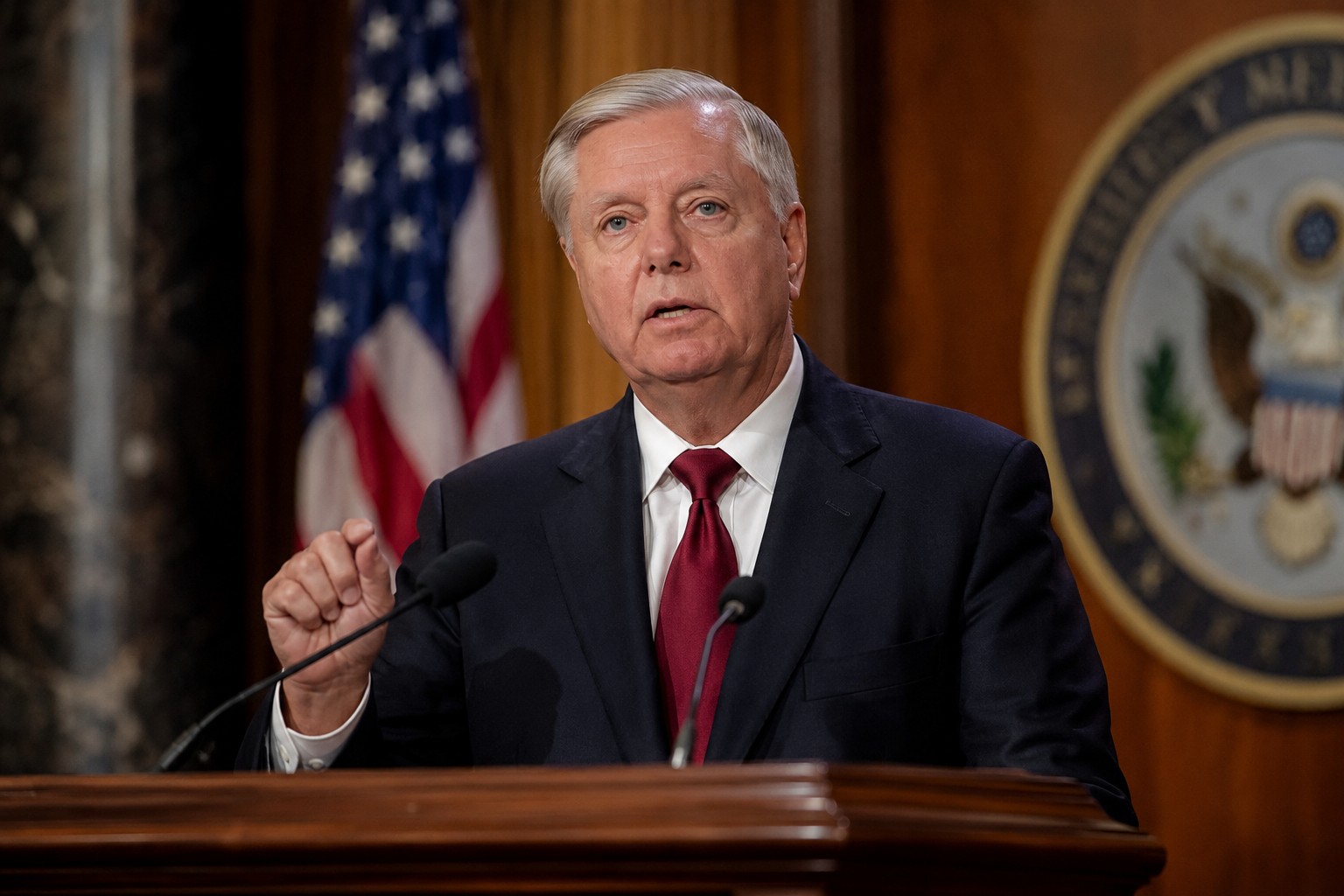
The U.S. Senate has passed one of the most sweeping Russia sanctions packages in years, attaching the name of a senator who did not live to see the vote. On August 7, lawmakers approved the Lindsey O. Graham Sanctioning Russia Act of 2026, named for the South Carolina Republican who died last month at 71.
The measure cleared the chamber with broad bipartisan support, a rare moment of unity on a foreign policy fight that had stalled for months. It now heads to the House, where its final form is still being negotiated.
A Bill Years in the Making
Graham spent years pushing for tougher penalties against Moscow over its war in Ukraine. A fixture in the Senate for more than two decades, he repeatedly argued that economic pressure was one of the most powerful tools available to Washington short of direct military involvement.
He died July 12 following a sudden illness. In the weeks that followed, colleagues moved to attach his name to the legislation he had long championed, turning the vote into both a policy milestone and a tribute to one of the chamber’s most recognizable voices on national security.
What the Bill Does
The legislation hits Russia with heavy new economic penalties and also takes aim at Iran, expanding the reach of existing sanctions programs. Supporters describe it as a hard line intended to choke off the funding that sustains Moscow’s war effort.
One of the most debated provisions would target countries that continue buying Russian energy. Backers say the mechanism is designed to close loopholes that have allowed Russian oil and gas to keep flowing to global markets despite earlier rounds of sanctions. Critics warn that such a broad approach could ripple through the world economy and strain relationships with nations that still depend on Russian supplies.
The bill’s scope is part of what makes it significant. Rather than targeting a narrow set of individuals or companies, it aims at the financial architecture that keeps Russian energy revenue moving, a strategy Graham had advocated for repeatedly during his time in the Senate.
Reactions and the Road Ahead
The lopsided vote reflected a rare alignment between members who often disagree on foreign policy. Supporters cast the measure as a signal that the Senate remains willing to act on Russia despite months of gridlock. Others urged caution, pointing to the potential economic fallout of penalizing third countries and the diplomatic complications that could follow.
Attention now shifts to the House, where lawmakers are expected to weigh amendments and debate the finer points of enforcement. Whether the bill becomes law in its current form remains to be seen, and any changes there would need to be reconciled with the Senate version before it could reach the president’s desk.
What This Means for Americans
For everyday Americans, the stakes are tied closely to energy and prices. Measures aimed at Russian oil and the countries that buy it can influence global supply, and shifts in global supply can eventually show up at the gas pump and in household costs. At the same time, the bill reflects a broader question about how far the United States is willing to go to pressure Moscow, an issue that touches everything from national security to the price of everyday goods.
Stay informed on the stories that matter most. Follow Palmedia News on Facebook and bookmark palmedianews.com for breaking news and analysis.