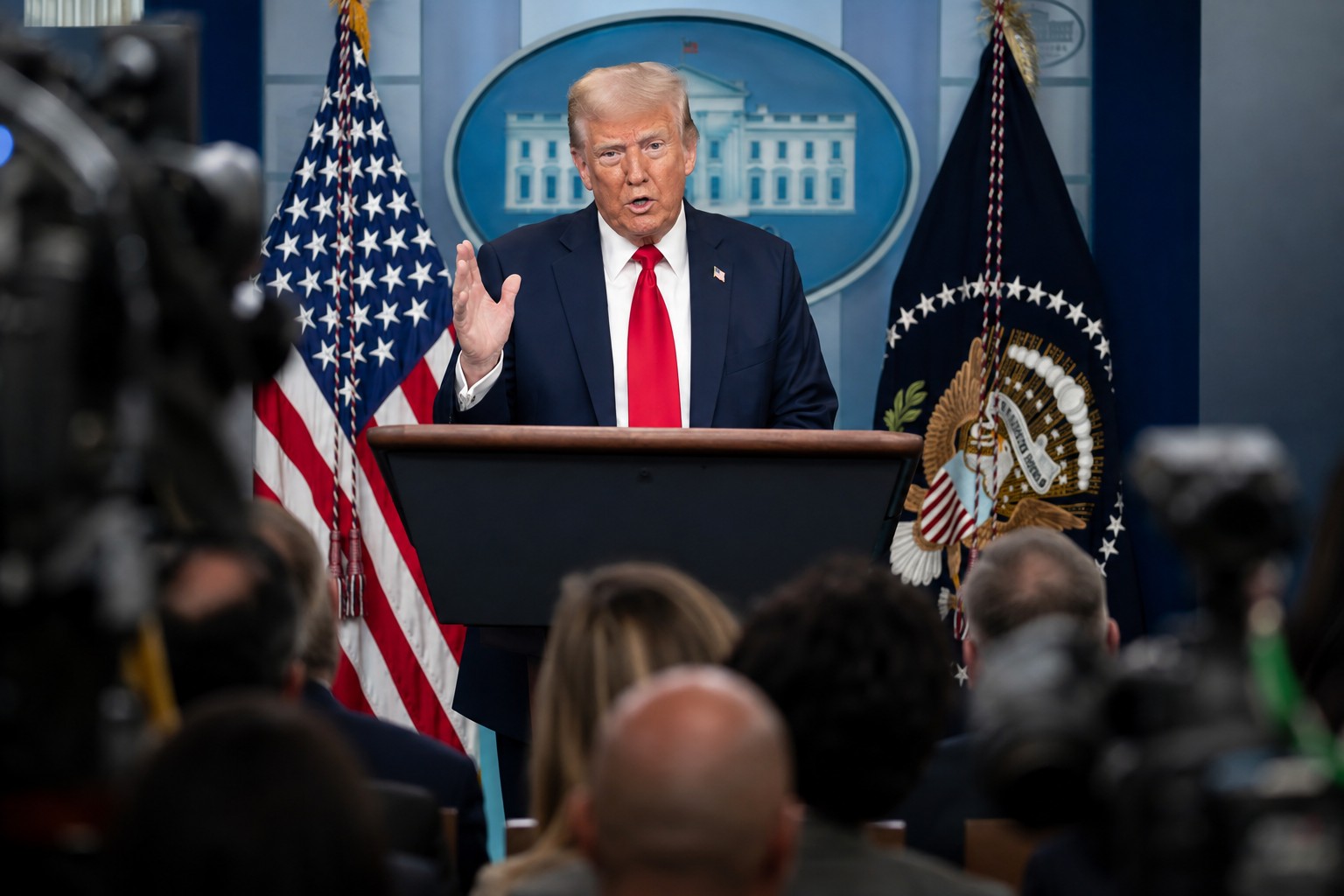
The U.S. government has begun refunding roughly $100 billion in tariff payments to American businesses — one of the largest reversals of trade policy in modern history. The repayments, processed through U.S. Customs and Border Protection, follow a court ruling that undercut the legal basis for President Donald Trump’s sweeping “Liberation Day” tariffs.
How the Tariffs Started
The “Liberation Day” tariffs were the centerpiece of the administration’s aggressive trade agenda. Rolled out as broad, across-the-board taxes on imported goods, they were designed to pressure trading partners, revive domestic manufacturing, and reshape the flow of global commerce. Importers paid the tariffs at the border, and the government collected an estimated $165 billion.
But the tariffs rested on emergency economic powers — an authority that critics argued was never meant to justify import taxes of this scale. When the matter reached the courts, judges struck at that foundation, throwing the legality of the entire program into doubt.
A $100 Billion Unwind
Rather than continue an uncertain legal fight, the administration moved to return the money. Customs officials began processing repayments directly to the importers who had paid — companies large and small that had absorbed the added cost of bringing goods into the country. The $100 billion refunded so far represents about 60% of the total collected, making it a partial but enormous unwind.
The scale is hard to overstate. One hundred billion dollars is more than the annual budget of many federal agencies, and returning it in a single wave of refunds is a logistical undertaking with few precedents in American economic history.
Treasury Secretary Scott Bessent addressed the obvious question head-on: will ordinary Americans see any of this money? His answer was blunt — no. The refunds go to the businesses that paid the tariffs at the border, not to the consumers who ultimately shouldered higher prices on store shelves.
The Fight Over What It Means
That distinction has become the flashpoint. Supporters of the tariffs argue the program still achieved its goals, forcing negotiations and signaling resolve on trade. Critics counter that a policy now being refunded by the tens of billions — under court pressure — raises hard questions about what was accomplished and at what cost.
The refunds also carry political weight. A signature economic initiative being partially reversed after a legal defeat is the kind of story both sides will seize on, each drawing opposite conclusions about the strategy and its results.
What It Means for Americans
For everyday shoppers, the practical takeaway is mixed. The higher prices many paid while the tariffs were in effect are not coming back to them. The relief flows to importers, who may or may not pass savings along in the form of lower prices going forward. Whether consumers ultimately benefit depends on how businesses respond now that a large share of their tariff burden is being returned.
What is clear is that the episode marks a turning point in a trade fight that has dominated economic headlines — and that the courts, not the negotiating table, forced the change.
Stay informed on the stories that matter most. Follow Palmedia News on Facebook and bookmark palmedianews.com for breaking news and analysis.