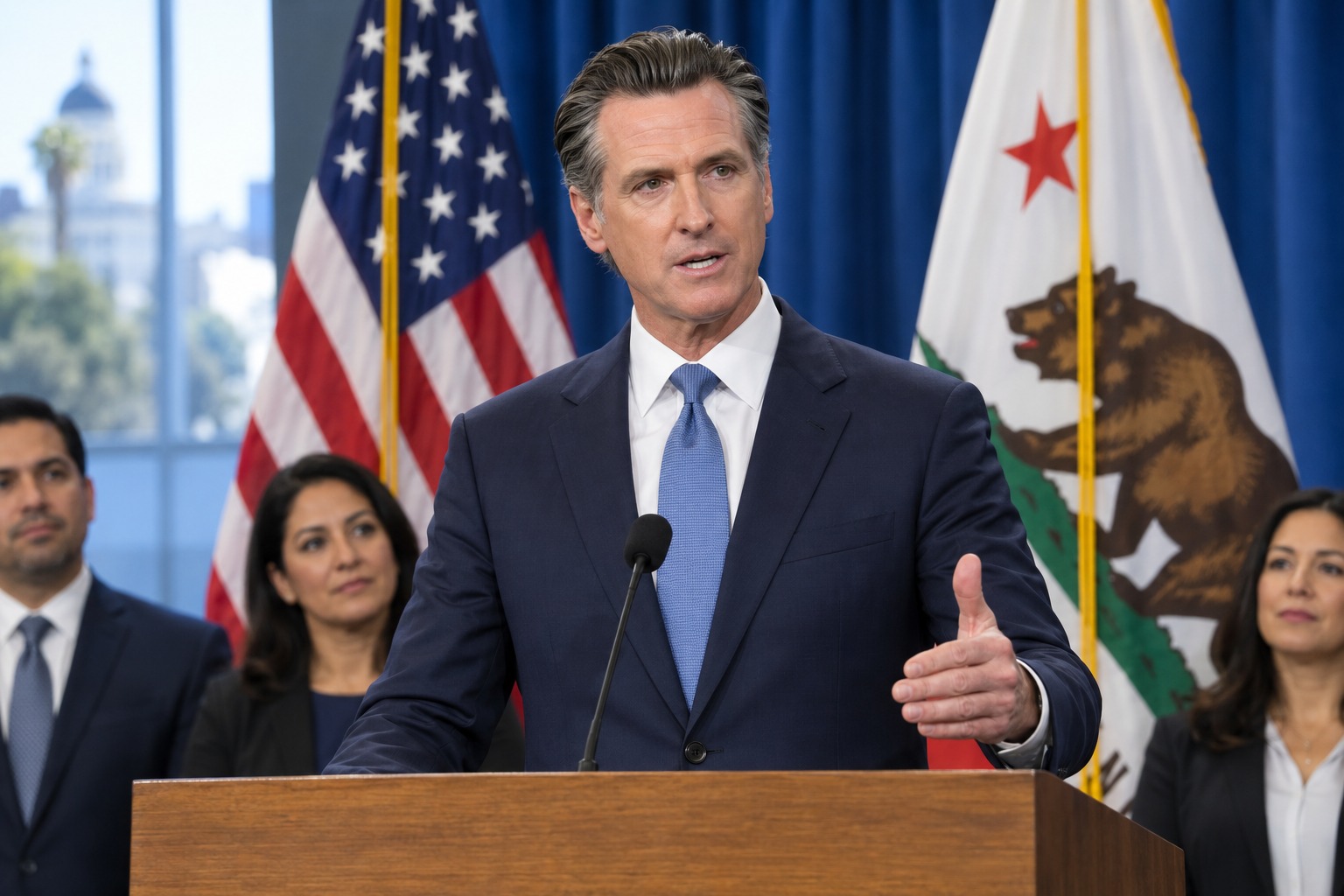
California is about to claim a new national record. Starting January 1, 2027, the state’s minimum wage will rise to $17.40 an hour — the highest statewide minimum wage anywhere in the United States. Governor Gavin Newsom announced the increase, cementing California’s position at the top of the national pay ladder.
How the Raise Works
The new rate pushes the minimum wage up from $16.50 an hour, a jump of about 8.75%. It isn’t the result of a new bill or a last-minute vote. Under California law, the minimum wage is tied directly to inflation and adjusts automatically every year to keep pace with the rising cost of living. When prices climb, the wage floor climbs with them.
That automatic mechanism is exactly why California keeps pulling ahead of the rest of the country. While many states leave their wage floors frozen for years at a time, California’s rises on a schedule, compounding a little more each January.
How It Compares to the Rest of the Nation
To understand just how far apart the numbers are, consider the federal minimum wage: $7.25 an hour. It hasn’t moved since 2009. California’s new $17.40 rate is nearly two and a half times that figure. A full-time worker earning the new state minimum would gross a little over $36,000 a year before taxes — roughly $21,000 more per year than someone working full time at the federal floor.

The Case For It
Supporters argue the raise is a lifeline. California carries some of the highest housing and grocery costs in the nation, and for workers at the bottom of the wage scale, every additional dollar an hour is the difference between covering rent and falling behind. The core argument is simple: no one who works full time should be stuck in poverty.
Backers also point to the ripple effect. When the wage floor rises, pay scales just above it often shift upward too, lifting earnings for a broad band of workers, not just those at the very bottom.
The Case Against It
Critics counter that steadily rising labor costs land hardest on small businesses that operate on thin margins. Restaurants, corner stores, and family-run shops can’t always absorb higher payroll without consequences. Those consequences, opponents warn, can include higher prices for customers, reduced worker hours, fewer new hires, or a faster push toward automation like self-service kiosks.
The debate over whether higher minimums help or hurt the lowest-paid workers has run for years, and California — as the largest state economy in the country — has become the biggest real-world test of it.
What It Means for Americans
For millions of California workers, the change means a bigger paycheck starting in January 2027. For business owners, it means recalculating budgets and prices. And for the rest of the country, California once again serves as a preview: where the nation’s highest-paying state goes on wages, the national conversation tends to follow.
Stay informed on the stories that matter most. Follow Palmedia News on Facebook and bookmark palmedianews.com for breaking news and analysis.