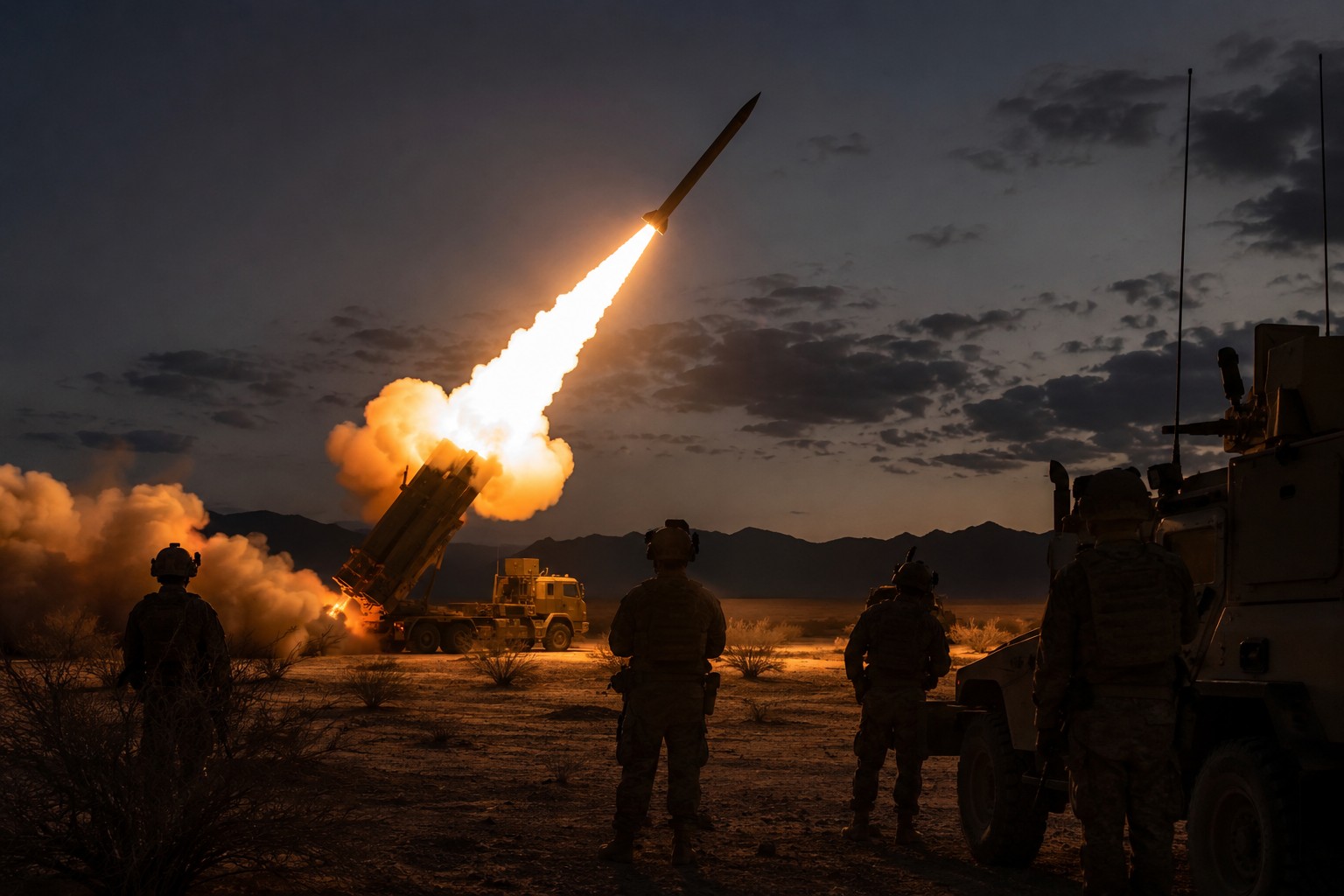
The United States has burned through “virtually all” of its long-range precision missiles during its five-month air war against Iran, according to a new Reuters report citing two people familiar with the matter. It is a stunning admission about the state of the world’s most powerful military — and one that is now rippling through Washington.
The depleted weapons include the Army’s Tactical Missile System, known as ATACMS, and the newer Precision Strike Missile — the exact long-range munitions the U.S. would rely on in any major conflict. And the drawdown does not stop there.
How Deep the Drawdown Goes
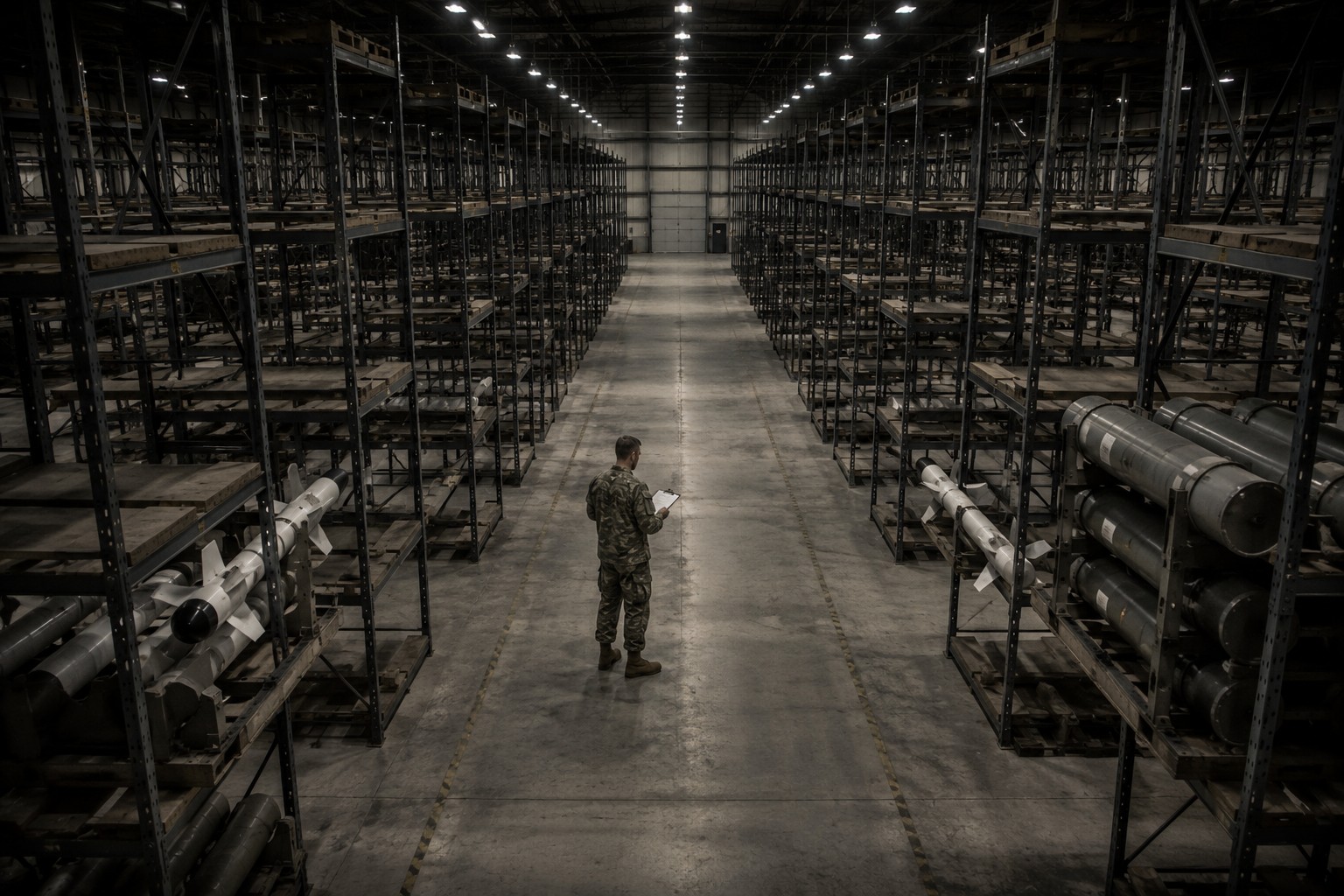
Roughly 65% of the Patriot interceptors in the U.S. inventory have been expended since February, according to the report. Stocks of THAAD interceptors — a top-tier system built to knock down ballistic missiles — are down at least 38% from where they stood when the war began. And the U.S. has consumed a little less than half of its entire global supply of Tomahawk cruise missiles.
Those are not spare parts. Interceptors and precision missiles are the backbone of both American offense and the layered air defenses that protect U.S. forces, allies, and bases around the world. Burning through them at this pace leaves visible gaps.
A War That Began in February
The conflict started in February 2026, when the United States joined Israel in a sustained campaign against Iran. What was framed early on as a limited operation stretched into a five-month air war, and the ammunition math tells the story of just how intense the fighting became.
Behind closed doors, military leaders have reportedly warned the president that defensive weapon supplies are dwindling to levels that could limit America’s ability to deter other adversaries. The names raised in those discussions are the ones that keep Pentagon planners up at night: Russia and China. If a second crisis erupted elsewhere, the U.S. might not have the deep magazines it has long assumed it could count on.
The Administration Pushes Back
Officials are quick to note that production is surging. Trump said U.S. defense companies are “at this moment making more munitions than they have ever made before,” adding that manufacturers are expanding their plants and equipment at record levels. Defense giant Raytheon has locked in multi-year agreements aimed at ramping up Tomahawk production.

But the timeline is unforgiving. Advanced interceptors and precision missiles are not built overnight — they take months, and in some cases years, to produce, test, and field. Ramping up a production line is not the same as having missiles ready in a bunker today. Analysts caution that even an aggressive manufacturing push may fall short of what a prolonged, multi-front conflict would demand.
What This Means for Americans
For everyday Americans, the debate is bigger than a supply chart. It goes to the heart of a simple question: can the United States fight a long war and still deter its rivals at the same time? Deterrence works only when adversaries believe the arsenal is deep. A public accounting of “virtually all” long-range missiles being spent invites exactly the kind of second-guessing that deterrence is supposed to prevent.
The question now dividing Washington is blunt: did the world’s most powerful military spend down its arsenal faster than it can rebuild it? The answer will shape defense budgets, force planning, and America’s posture toward Moscow and Beijing for years to come.
Stay informed on the stories that matter most. Follow Palmedia News on Facebook and bookmark palmedianews.com for breaking news and analysis.