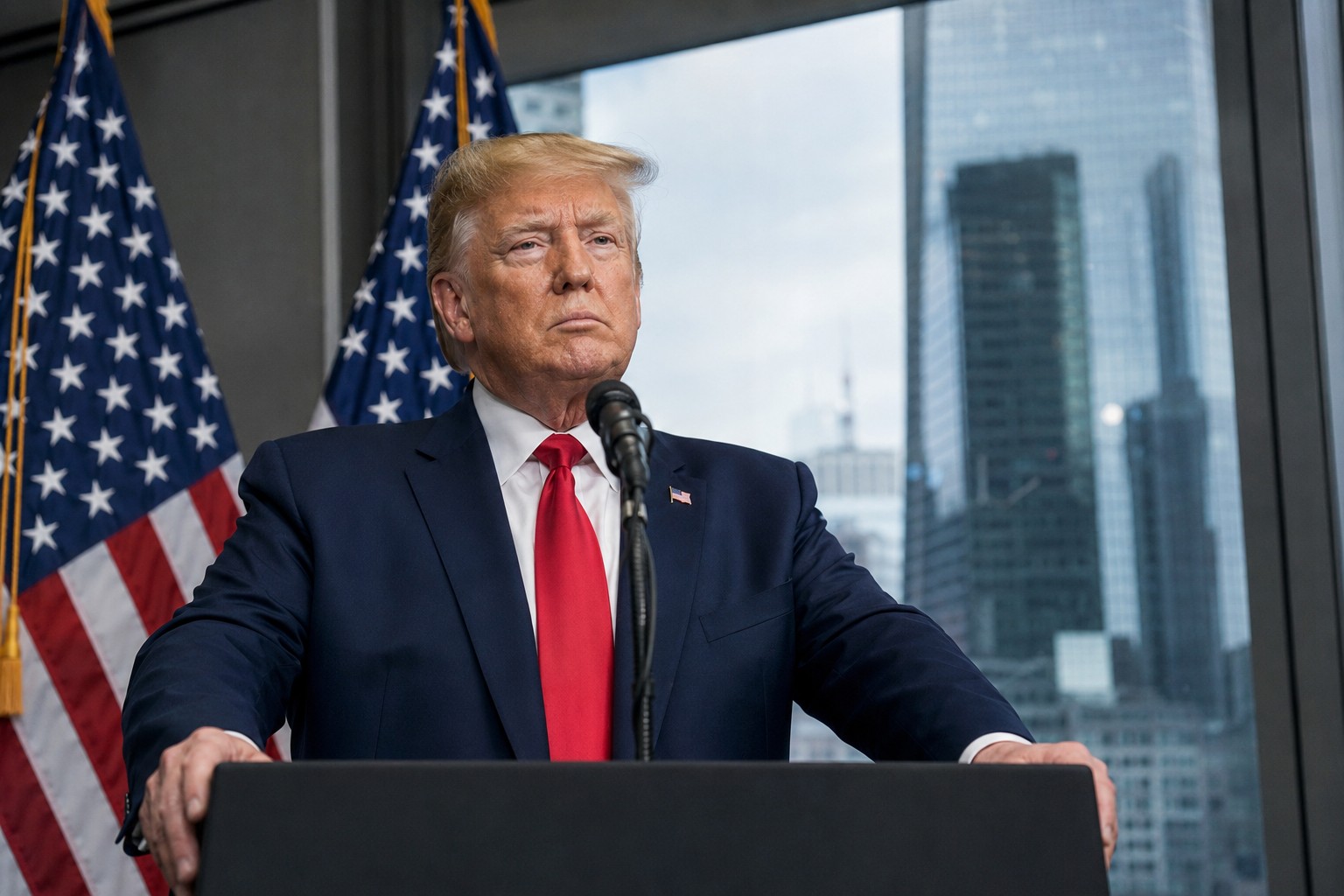
Capital One shut down hundreds of bank accounts tied to Donald Trump and the Trump Organization in 2021, and the bank now says the reason was anti-money laundering concerns. The disclosure came in a new court filing as Capital One defends itself against a lawsuit brought by Trump, who accuses the bank of dropping him for political reasons.
How the Dispute Began
The fight traces back to 2021, when Capital One closed a large batch of accounts connected to Trump and his companies. Trump later sued the bank, arguing that the closures were an act of political retaliation in the aftermath of the January 6 Capitol riot. His legal team framed it as a clear example of “debanking” — the practice of a financial institution cutting ties with a customer it considers too risky or too controversial to keep.
Debanking has become a rallying point for Trump and many of his allies, who argue that banks have quietly weaponized their power to sever relationships with people over politics. That backdrop turned what might have been a routine banking dispute into a high-profile legal and political flashpoint.
What Capital One Now Says
In its court filing, Capital One tells a very different story. The bank says the account closures were the result of an internal review tied to its anti-money laundering obligations — the federal rules that require financial institutions to monitor customer activity and report anything that looks suspicious. According to the bank, the decision was about compliance, not politics.
Anti-money laundering rules are among the most heavily enforced obligations in American banking. Institutions that fail to properly monitor accounts can face steep penalties, which is why banks often move to close relationships they view as carrying elevated risk. Capital One is now leaning on that framework to explain why hundreds of Trump-linked accounts were shut down.
The scale is notable. Closing hundreds of accounts connected to a single client makes this one of the largest debanking disputes ever to involve a U.S. president, and it puts a spotlight on how much discretion banks have when they decide to end a relationship.
The Legal Battle Ahead
The two sides now head into a courtroom clash with sharply opposing narratives. Trump’s team maintains that the timing and the sweep of the closures point to a politically motivated purge. Capital One insists it was following the law and managing risk the way regulators expect it to.
A judge will ultimately have to weigh whether the bank acted on legitimate financial-crime concerns or whether the closures crossed a line into unlawful discrimination. The outcome could set an important marker for how far banks can go in cutting off customers — and how much they have to explain when they do.
What This Means for Americans
Beyond the political headlines, the case touches something that affects ordinary customers, too: the power a bank holds over access to the financial system. Most people never learn exactly why an account is closed, and the debate over debanking raises real questions about transparency, fairness, and how much say individuals have when a bank decides to walk away.
Stay informed on the stories that matter most. Follow Palmedia News on Facebook and bookmark palmedianews.com for breaking news and analysis.