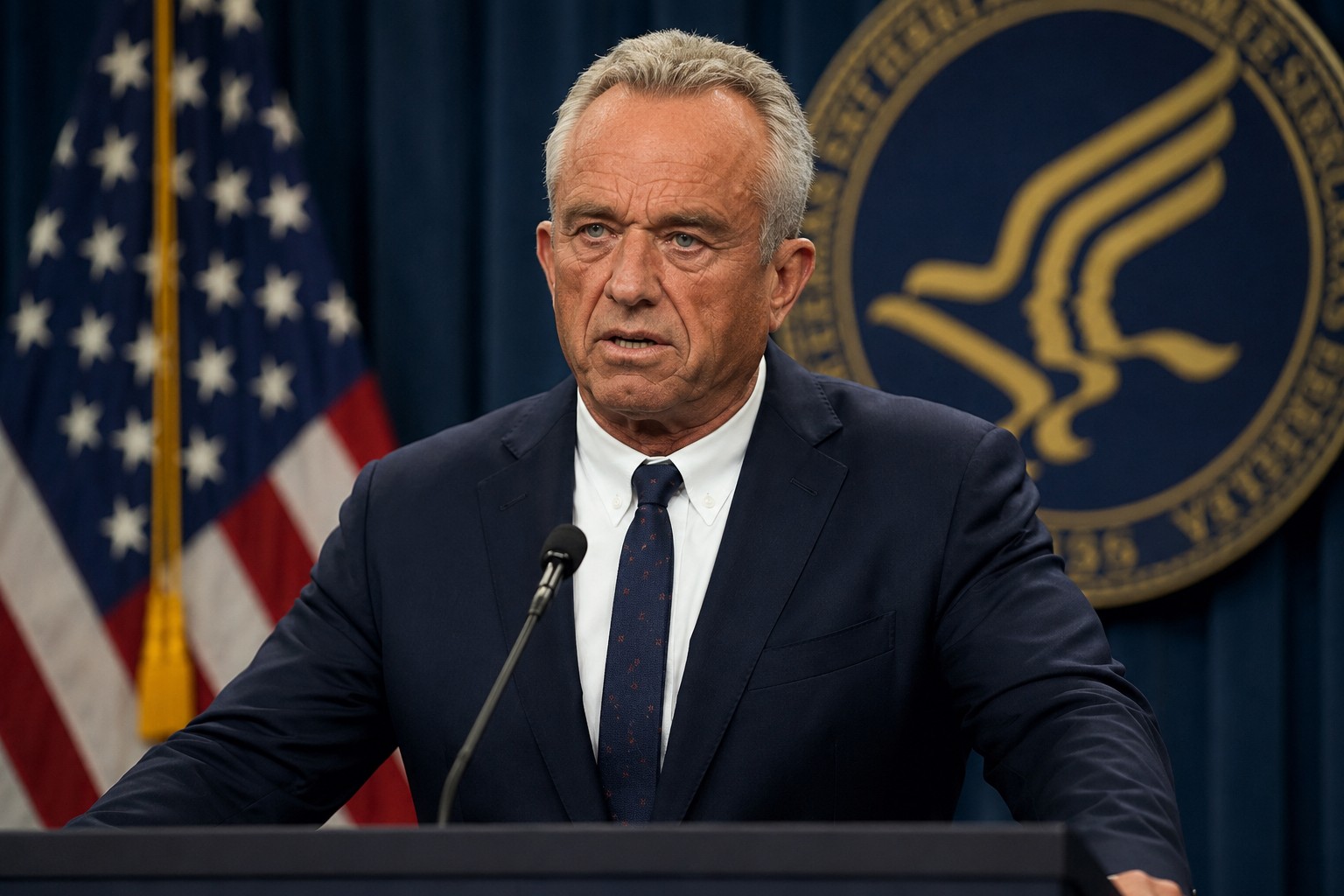
Health and Human Services Secretary Robert F. Kennedy Jr. is urging American parents to vaccinate their children against measles as the United States confronts its largest outbreak of the disease in more than three decades. The guidance marks a notable moment given Kennedy’s long history of skepticism toward vaccines.
Federal health officials report that measles cases have climbed to a 35-year high, with infections confirmed across multiple states. The surge has pushed the issue back into the national spotlight and renewed debate over vaccination rates and how the country should respond.
A Notable Shift in Tone
Kennedy has spent years as one of the most prominent voices raising questions about vaccine safety, a stance that drew intense scrutiny during his confirmation to lead the nation’s top health agency. His call for families to consider the measles, mumps, and rubella (MMR) vaccine as the most effective tool against the outbreak is being closely watched precisely because of that record.
In his public remarks, Kennedy described vaccination as the clearest path to slowing the spread while framing the ultimate decision as one for parents to make. That balance — endorsing the shot while emphasizing personal choice — reflects the political tightrope he has walked since taking office.
Why Measles Is Spreading
Measles is among the most contagious diseases known to medicine. It can linger in the air for hours after an infected person leaves a room, and a single case can spread rapidly in communities where vaccination coverage has slipped. Health agencies have long said that high immunization rates are what keep the virus from taking hold.
Over the past several years, vaccination rates for some childhood diseases have declined in pockets of the country. Public health experts point to that erosion of coverage as a key reason the current outbreak has been able to grow to levels not seen in a generation. The disease, once declared eliminated in the U.S. in 2000, has repeatedly resurfaced in recent years.
Reactions From Both Sides
Kennedy’s statement drew immediate reaction. Supporters argued that the Secretary is following the data as case counts climb and that his willingness to point families toward the MMR vaccine sends an important message during a public health emergency.
Critics were more skeptical. Some pointed to Kennedy’s earlier comments on vaccines and argued that his messaging over time has been inconsistent, potentially muddying the guidance parents receive. Lawmakers on Capitol Hill have pressed him repeatedly to clarify his positions on vaccine policy, and the outbreak has only intensified that pressure.
What This Means for American Families
For parents, the practical takeaway is straightforward: the nation’s top health official is recommending the measles vaccine as the best available protection during an outbreak that is already the worst in decades. Families with young children, or those in areas reporting cases, are the most directly affected and may want to review their vaccination records and speak with their doctors.
Beyond individual households, the outbreak raises broader questions about how the country maintains the kind of community-wide immunity that keeps highly contagious diseases in check. With cases at a 35-year high, the debate over the nation’s response is now firmly at the center of the public conversation.
Stay informed on the stories that matter most. Follow Palmedia News on Facebook and bookmark palmedianews.com for breaking news and analysis.