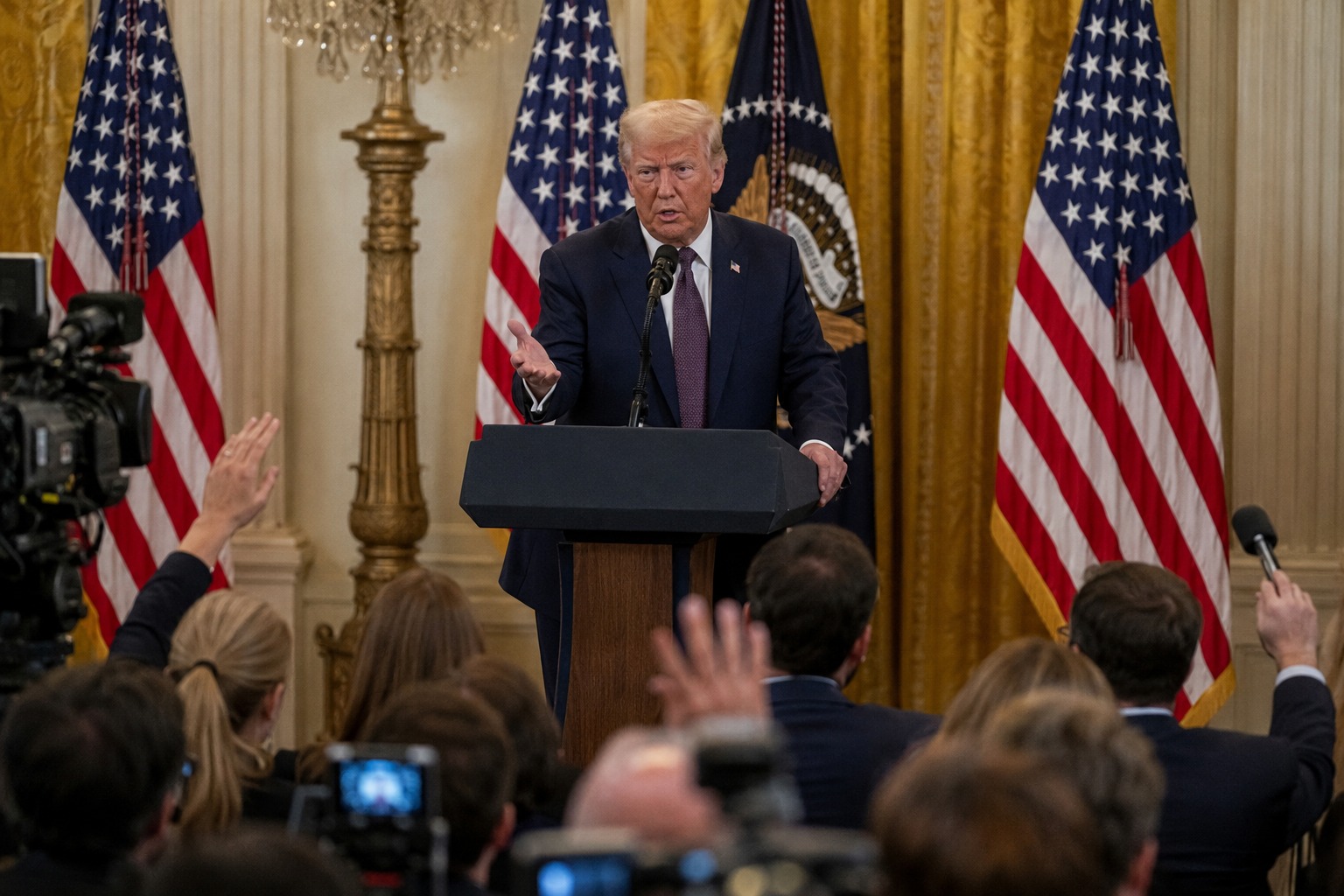
Hamas has agreed to disarm. President Donald Trump announced Thursday that the militant group has signed onto the next phase of the Gaza peace plan, a step that would require it to surrender the weapons it has held for decades. The White House framed the development as a turning point in a conflict that has gripped the region and dominated global headlines.
What Was Announced
The agreement was brokered by a newly formed international body that Trump is calling the “Board of Peace,” which confirmed the disarmament deal this week. According to the administration, the framework moves the ceasefire into a new stage, one that goes beyond a pause in fighting and toward the dismantling of Hamas’s military capability inside Gaza.
If it holds, the deal would mark one of the most dramatic shifts in the Gaza conflict since the fighting began. For the first time, the central demand that has long been treated as a nonstarter — that Hamas give up its arsenal — is being presented by Washington as an agreed-upon commitment rather than an aspiration.
The Details Still to Come
The fine print is where the picture grows more complicated. There is still no public timeline for how or when Hamas would actually hand over its weapons, who would supervise the process, and what consequences would follow if the group fails to comply. Disarmament is far easier to announce than to verify, and the mechanics of collecting and accounting for an entrenched militant arsenal have derailed past agreements.
Israeli officials have signaled support for the broad framework while making clear that the specifics still have to be nailed down. The administration has not detailed which nations would sit on the Board of Peace, what enforcement powers it would carry, or how monitoring would work on the ground in Gaza.
Reactions and Skepticism
Analysts tracking the region are urging caution. Previous ceasefire phases have stalled, collapsed, or been quietly abandoned, and a signed agreement on paper is a very different thing from weapons actually leaving the ground. Skeptics note that each side has strong incentives to claim progress even when the underlying commitments remain fragile.
Supporters of the plan argue that the involvement of an international body, rather than a bilateral arrangement alone, gives this phase a better chance of surviving the political pressures that have unraveled earlier efforts. The coming days are expected to reveal whether the framework can move from announcement to implementation.
What This Means for Americans
Developments in Gaza ripple far beyond the region. A durable de-escalation could ease pressure on global energy markets, shift the calculus for American diplomacy across the Middle East, and reduce the risk of a wider conflict that draws in additional players. For families watching the news, the question is a simple one: is this the beginning of a real end to the war, or another promise that comes apart under pressure?
For now, both sides are calling it progress. Whether it becomes a genuine resolution may come down to whether the disarmament pledge is matched by action in the weeks ahead.
Stay informed on the stories that matter most. Follow Palmedia News on Facebook and bookmark palmedianews.com for breaking news and analysis.