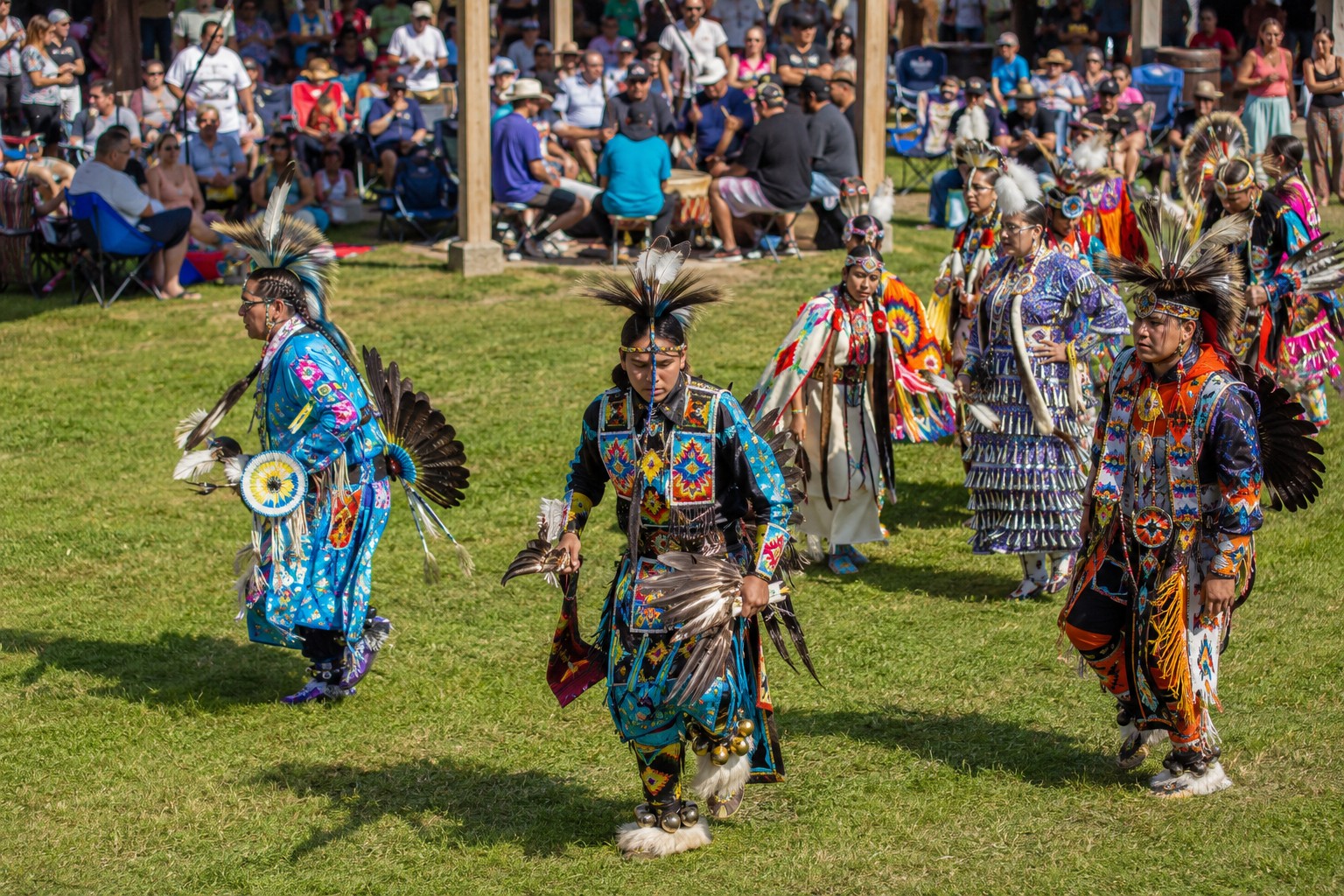
Montana stands alone. It is the only state in the country where teaching Native American history and culture is not merely encouraged or recommended, but written directly into the state constitution as a binding commitment. No other state in America has gone that far.
The mandate lives in Montana’s 1972 Constitution, which declares that the state recognizes the distinct and unique cultural heritage of American Indians and is committed, in its educational goals, to the preservation of their cultural integrity. In plain terms: every public school in Montana is expected to teach students about the tribal nations whose history is woven into the land they live on.
A Promise Written Into Law
When delegates gathered in Helena to rewrite Montana’s constitution in the early 1970s, they did something no other state had attempted. They embedded a cultural and educational promise to Native Americans into the state’s foundational document, giving it the highest legal standing a state can offer. It was a recognition that Montana’s story could not be told honestly without the tribes who were there first.
For decades, though, the promise sat largely on paper. The words were there, but the classrooms often were not. Many schools continued to treat Native American history as a footnote, if they covered it at all. The gap between the constitution’s language and what students actually learned became a source of frustration for tribal leaders and educators alike.
Indian Education for All
That began to change in 1999, when Montana lawmakers passed the Indian Education for All Act. The law turned the constitution’s broad language into a concrete program, directing that every student learn about the history, culture and contemporary life of Montana’s tribal nations. Funding followed, and the state’s Office of Public Instruction developed lesson materials to carry the mandate into classrooms from the smallest rural districts to the largest city schools.
Montana is home to a dozen tribal nations and seven reservations, a significant Native American population by any measure. Supporters of the mandate argue that teaching this history is not a favor or a gesture, but a matter of accuracy. Students who grow up in Montana, they say, deserve to learn the full story of their state rather than a version that leaves out the people who shaped it for thousands of years.
A Promise Still Being Tested
Even with the law and the funding, the commitment has faced hard questions. Advocates have taken the state to court, arguing that Montana still falls short of fully delivering what its own constitution demands. They contend that implementation has been uneven, that some schools do far more than others, and that the state has not always tracked whether the mandate is being met.
State education officials have acknowledged the need to do better and have committed to strengthening how Native American history and culture are taught. The debate has kept a decades-old promise squarely in the spotlight, a reminder that putting words into a constitution is only the first step, and that living up to them is a continuing effort.
What This Means for Americans
Montana’s approach raises a broader question that reaches well beyond its borders: how should the nation teach its own history, including the difficult and often overlooked chapters? For families in every state, the way schools present the past shapes how the next generation understands the country they are inheriting. Montana offers one answer, written into law, that other states have so far chosen not to follow.
Stay informed on the stories that matter most. Follow Palmedia News on Facebook and bookmark palmedianews.com for breaking news and analysis.