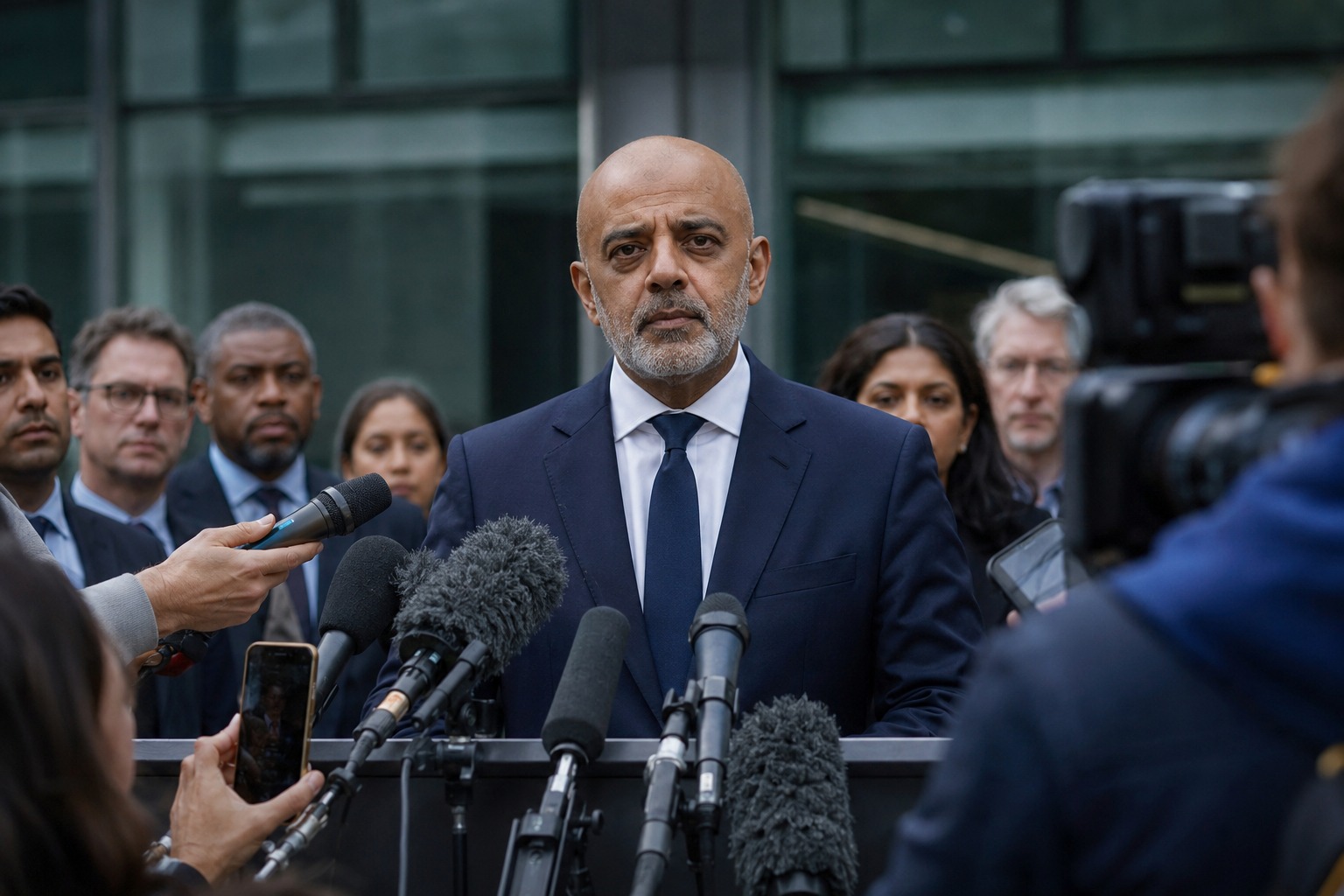
London Mayor Sadiq Khan has drawn one of the sharpest lines yet by a Western leader over the war in Gaza, declaring that Israeli Prime Minister Benjamin Netanyahu is “not welcome” in London and that the United Kingdom should move to enforce the International Criminal Court’s arrest warrant against him if he ever sets foot in Britain.
The mayor argued that the country has a legal duty to uphold its obligations to the ICC, the court that issued a warrant for Netanyahu in November 2024 tied to the conduct of the war in Gaza. Anyone accused of the crimes named in that warrant, Khan said, must face justice like anyone else.
What the Warrant Actually Says
The International Criminal Court, based in The Hague, issued arrest warrants in late 2024 for Netanyahu and Israel’s former defense minister over alleged crimes connected to the military campaign in Gaza. As a founding member and state party to the court’s Rome Statute, the United Kingdom is, in principle, obligated to detain and surrender any individual subject to an ICC warrant who enters its jurisdiction.
That obligation is what turns a symbolic dispute into a genuine legal and diplomatic problem. If Netanyahu were to visit the UK, the government would face a direct collision between its treaty commitments and its relationship with one of its closest allies in the Middle East.
A Mayor Without the Power to Arrest
There is an important catch to Khan’s pledge. The Mayor of London has no authority to arrest anyone. That power rests with national police forces and the British government, not with City Hall. Khan’s remarks were a public call to act and a promise to press the issue, not an order he could personally carry out.
Still, the political weight of the statement is significant. As the elected leader of a global capital and one of the most recognizable Muslim politicians in the West, Khan’s willingness to name Netanyahu directly and invoke the ICC adds pressure on the national government to clarify exactly what it would do.
Following a Growing Trend
Khan’s comments landed shortly after a similar controversy in the United States, where New York’s incoming mayor faced questions over whether the city could detain Netanyahu. That official conceded he had no such power. Khan went a step further, vowing to lobby and press the case if the moment ever arrived.
The episode reflects a broader shift in which local and regional leaders, not just national governments, are being drawn into debates over international justice and the war in Gaza. It is a sign of how deeply the conflict has moved into domestic politics across Europe and North America.
Israel Rejects the Court
Netanyahu and the Israeli government have rejected the ICC warrant outright, calling it politically motivated and denying the allegations tied to the Gaza campaign. Israel is not a member of the court and does not recognize its jurisdiction, arguing the case is an overreach against a sovereign nation defending itself.
That standoff leaves the United Kingdom in a difficult position. As an ICC member state, it would be expected to act under the court’s rules, yet doing so against a sitting head of government of an allied country would be all but unprecedented and diplomatically explosive.
What This Means for Readers
For ordinary people watching from afar, the dispute is a window into a larger question: whether international courts can hold the leaders of powerful nations accountable, or whether politics will always win out. How the UK responds if Netanyahu ever travels there could set a precedent that shapes how these warrants are treated for years to come.
Stay informed on the stories that matter most. Follow Palmedia News on Facebook and bookmark palmedianews.com for breaking news and analysis.