AIPAC, one of Washington’s most influential pro-Israel organizations, has quietly removed the online donation links for more than a dozen House Democrats after they voted to end U.S. military aid to Israel. The change means supporters can no longer contribute to those lawmakers through the group’s giving portal — though AIPAC stopped short of formally withdrawing its endorsements.
A Historic Vote
The move followed a July 15 vote on the House floor that marked one of the sharpest breaks Democrats have shown on Israel in years. Lawmakers considered an amendment from Rep. Thomas Massie, a Kentucky Republican, to eliminate roughly $3.3 billion in annual U.S. military assistance to Israel. The amendment failed, 104 to 314.
But the breakdown of that vote was the real story. Of the 104 members who supported cutting the aid, 103 were Democrats — close to half of the party’s House caucus. Massie was the only Republican to join them. Just a few years earlier, only a small number of House Democrats had opposed emergency defense funding for Israel, making the size of this revolt a striking measure of how quickly the politics have shifted.
The vote did not change U.S. policy — the underlying funding for Israel remained intact, and the amendment was always expected to fall short. Its significance was symbolic, offering the clearest snapshot yet of where House Democrats stand as the war in Gaza and its humanitarian toll continue to reshape opinion within the party.
What AIPAC Did
According to reporting, AIPAC responded by pulling the fundraising buttons for roughly 15 to 18 Democratic members who backed the Massie amendment. The affected lawmakers included several senior figures within the party. Supporters who visit AIPAC’s political giving page can no longer route contributions to those members through the organization.
AIPAC did not rescind its endorsements of the lawmakers, and a spokesperson declined to comment on the change. The distinction matters: the group is not formally cutting ties, but it is signaling that its financial support is conditional on votes related to Israel. AIPAC has long been one of the most powerful players in congressional campaigns, directing tens of millions of dollars through its political action committee and affiliated groups. For candidates in competitive districts, access to that fundraising network can be significant.
A Party Divided
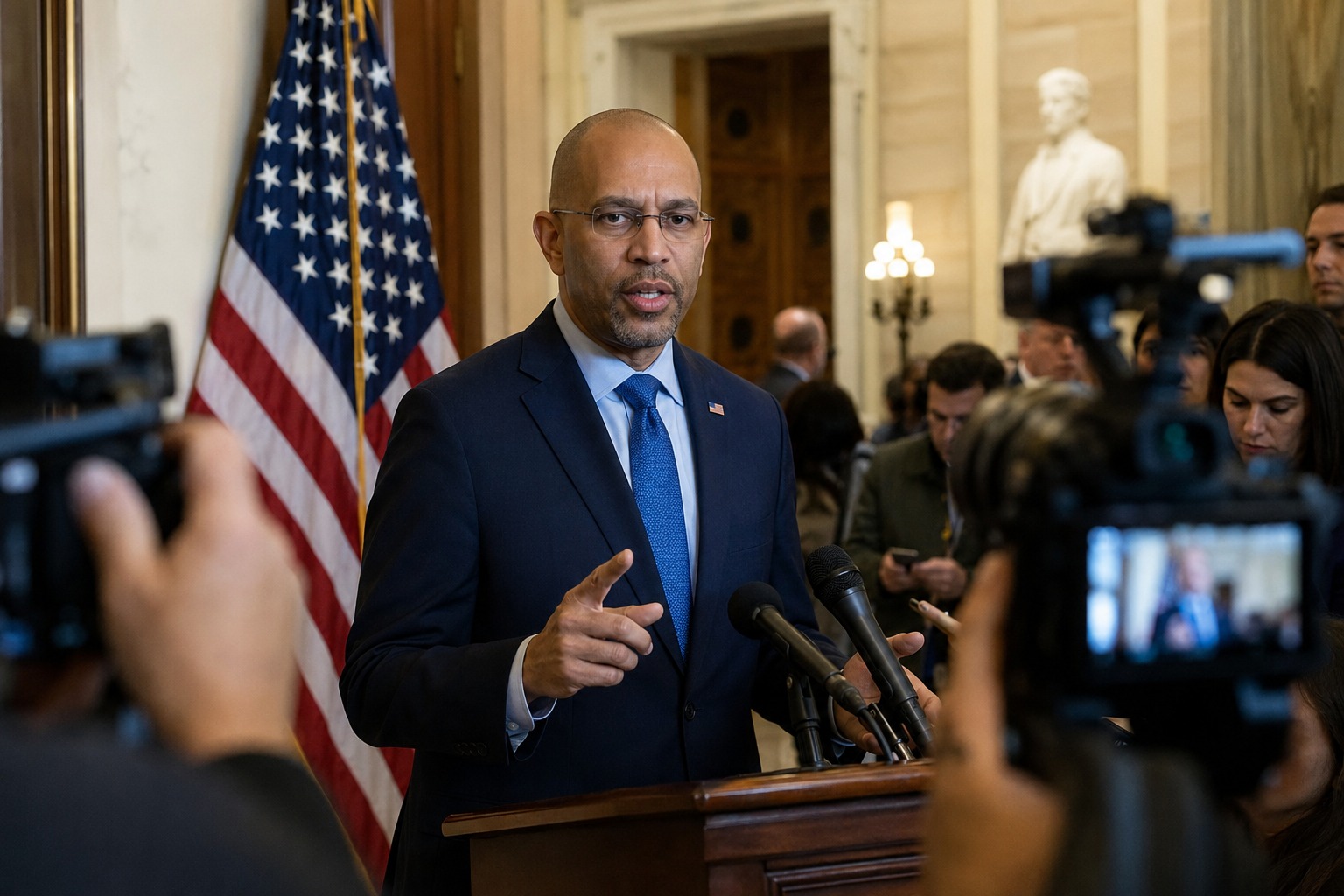
House Democratic Leader Hakeem Jeffries opposed the Massie amendment, arguing that cutting off all assistance would go too far and could jeopardize humanitarian aid reaching Palestinians. At the same time, Jeffries declined to pressure members on how to vote and acknowledged deep divisions within the caucus. He has called for renegotiating the U.S.-Israel military aid agreement to reflect changed circumstances rather than ending it outright.
Supporters of AIPAC’s decision argue that a private organization has every right to decide which candidates it funds, and that withdrawing support from lawmakers who vote against its central cause is a normal part of politics. Critics counter that pulling donations over a single policy vote looks like punishment and could deepen tensions between the group and a growing bloc of Democrats.
What This Means for Americans
The clash highlights a broader debate playing out in Washington over the future of U.S. support for Israel — a question that has moved from the political margins to the center of one of the two major parties. For voters, it is a preview of fights likely to shape upcoming primaries and the 2026 midterms, as candidates weigh their positions on foreign aid against the interest groups that help fund their campaigns.
Stay informed on the stories that matter most. Follow Palmedia News on Facebook and bookmark palmedianews.com for breaking news and analysis.