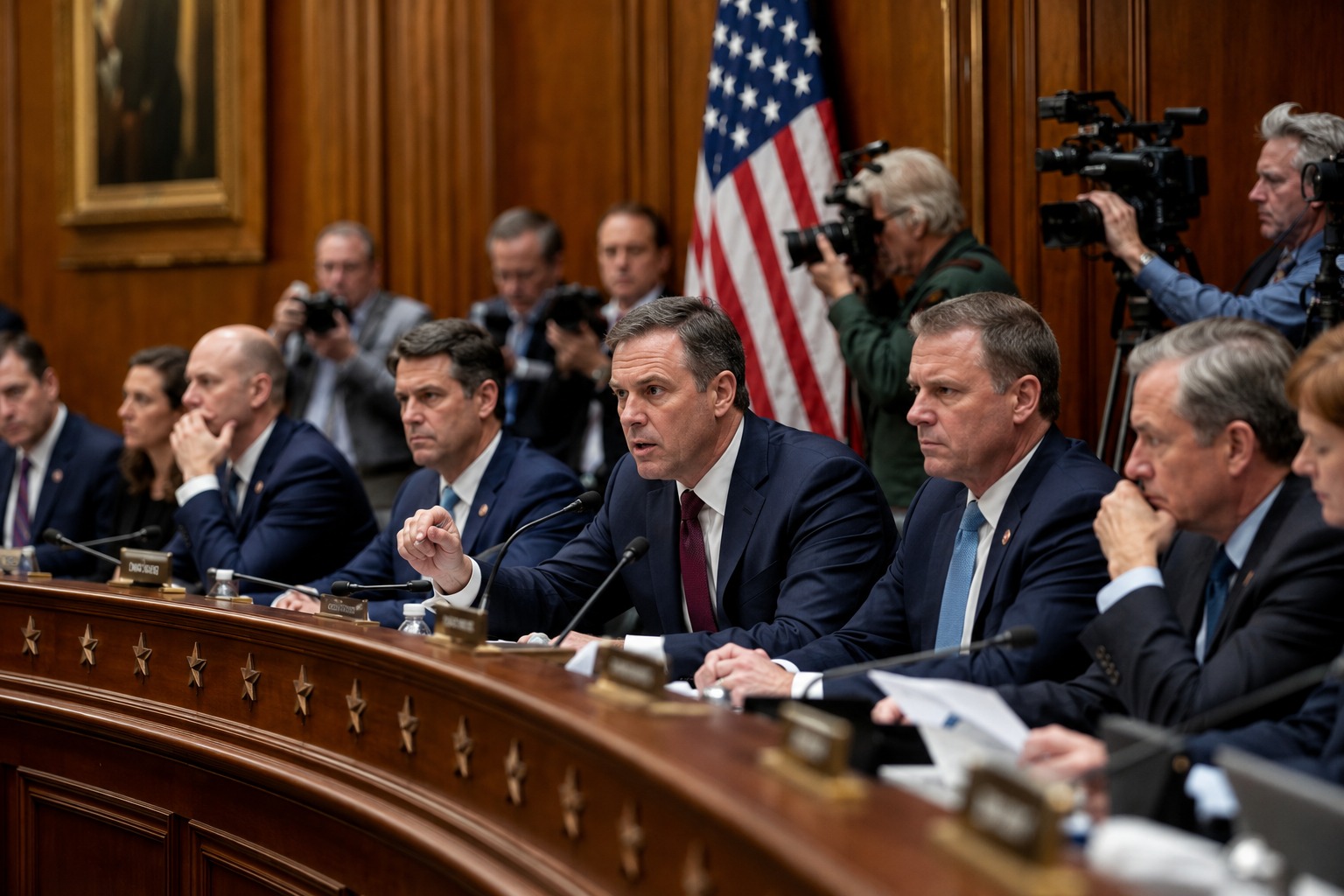
A newly introduced bill in Congress is taking direct aim at one of the most sweeping and least-checked powers a president holds: the power to grant pardons. Under the proposal, it would become a federal crime for a sitting president to accept money, gifts, or anything of value from a person they pardon or grant clemency to — even a single dollar.
Supporters call it a common-sense guardrail on a power the Constitution leaves almost entirely unrestrained. Critics warn it could invite the criminalization of ordinary politics. Either way, the measure has reopened a decades-old question: where does the line sit between presidential mercy and outright corruption?
Why the Pardon Power Is Under Scrutiny
The Constitution gives the president broad, near-absolute authority to grant reprieves and pardons for federal offenses. For more than two centuries, that authority has carried almost no statutory limits. A president can pardon almost anyone, at almost any time, for almost any federal crime, and generally does not have to explain why.
That lack of guardrails has drawn criticism across administrations of both parties. Presidents have faced accusations of handing out pardons to allies, donors, and family members, and watchdogs have long argued that the power is uniquely vulnerable to abuse precisely because it is so unchecked. The new legislation does not try to shrink the pardon power itself — it targets what supporters describe as the one thing the framers never intended it to be: a source of personal profit.
What the Bill Would Do
The measure would write the president and vice president directly into the federal bribery statute and define the granting of a pardon as an “official act.” That distinction is central. Federal bribery law turns on an exchange — something of value handed over in return for an official act. By naming a pardon as an official act and naming the president as a covered official, the bill would make trading clemency for cash, favors, or a future payday a spelled-out federal offense rather than a matter left to legal interpretation.
The legislation would also require the Justice Department to report pardons that involve a conflict of interest — for example, clemency granted in a case where the president or a family member is a subject, target, or witness. Backers say the reporting requirement is designed to bring transparency to decisions that today can be made entirely behind closed doors.
Supporters and Critics Draw Their Lines
Backers of the bill argue the pardon power was never meant to function as a business deal, and that no president of either party should be able to profit from deciding who walks free. To them, criminalizing a payment from a pardon recipient is not an attack on the pardon power — it is a way to protect it from being sold.
Opponents counter that the proposal could sweep in normal political conduct and set up a constitutional clash. They note that the Constitution grants the pardon power in unusually broad terms, and they question how far Congress can go in attaching criminal penalties to how a president uses it. The result is a debate that pits accountability against executive authority — and one that could ultimately be settled in the courts.
What This Means for Americans
At its core, the fight is about trust in the system. The pardon is one of the few powers a president can exercise almost alone, and Americans across the political spectrum have expressed unease about the idea of clemency being bought and sold. Whether or not this specific bill becomes law, it forces a public conversation about how much oversight the nation is willing to place on a power that has operated on the honor system since the founding.
Stay informed on the stories that matter most. Follow Palmedia News on Facebook and bookmark palmedianews.com for breaking news and analysis.