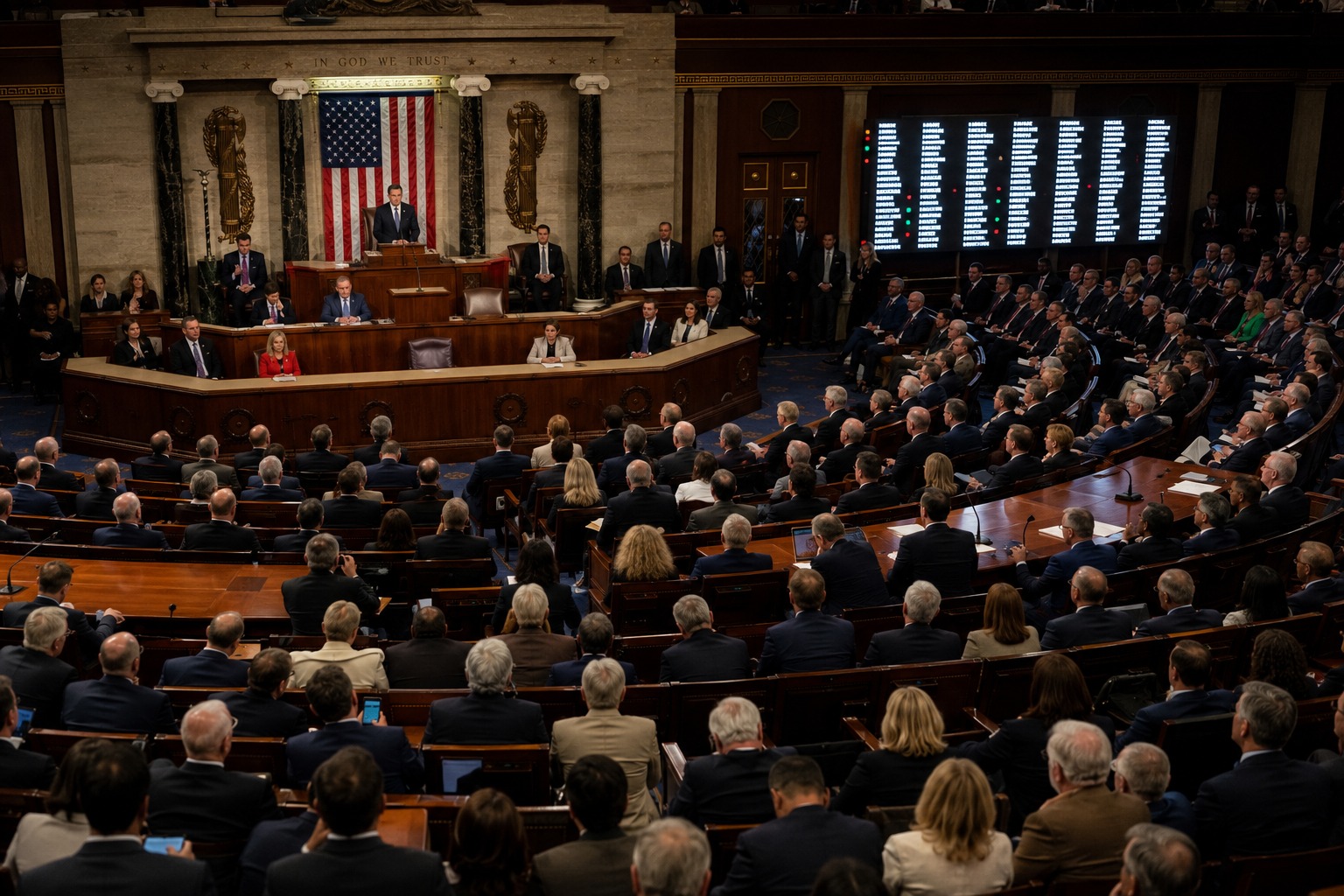
In a Washington rarely known for agreement, the House of Representatives just voted 420-0 to pull back the curtain on one of Congress’s most closely guarded secrets: which lawmakers have had sexual misconduct claims against them quietly settled with taxpayer money.
The measure forces the public disclosure of records tied to those settlements, and it sets a hard deadline of late August for the names and details to be handed over. Not a single member voted against it.
Why This Matters
For years, misconduct claims involving members of Congress could be resolved through a little-known settlement process, with payouts drawn from public funds. The arrangement meant that when a claim was settled, taxpayers often covered the cost, yet the public was never told which lawmaker was involved or how much had been paid.
Critics have long argued that the system shielded powerful officials from accountability while leaving the people footing the bill completely in the dark. This vote is aimed squarely at ending that secrecy.
What The House Actually Did
The resolution requires Congress to identify every lawmaker connected to a taxpayer-funded misconduct settlement and to release the underlying records. The late-August deadline gives officials a matter of weeks, not months, to comply.
The 420-0 tally is what makes the moment so striking. Unanimous votes are almost unheard of on politically sensitive issues, and this one cut cleanly across party lines. Both parties signed on to the idea that voters deserve to know when their money is spent settling claims against the people who represent them.
The disclosure push builds on years of frustration over how Congress handled such claims internally, largely out of public view. By attaching a firm deadline, lawmakers left little room for the records to be buried or delayed indefinitely.
The Debate Behind The Vote
Supporters frame the effort as basic accountability. If public dollars were used to settle a claim against a sitting member of Congress, they argue, the public has an unquestionable right to know who it was and what it cost.
Others urge caution. They warn that disclosure must be handled carefully to protect the privacy of accusers, some of whom may never have wanted their cases made public. Balancing transparency about lawmakers with the privacy of those who came forward is likely to shape how the records are ultimately released.
What This Means For Americans
At its core, this is a story about your money and your representatives. Every settlement paid out of public funds is a cost borne by taxpayers, and until now, the names attached to those payments stayed hidden. If the records are released on schedule, voters will have a clearer picture of conduct in Congress before they head to the ballot box.
The countdown is now on. By the end of summer, some of Washington’s best-kept secrets may finally have names attached, and the fallout could reshape how Congress handles accountability for years to come.
Stay informed on the stories that matter most. Follow Palmedia News on Facebook and bookmark palmedianews.com for breaking news and analysis.