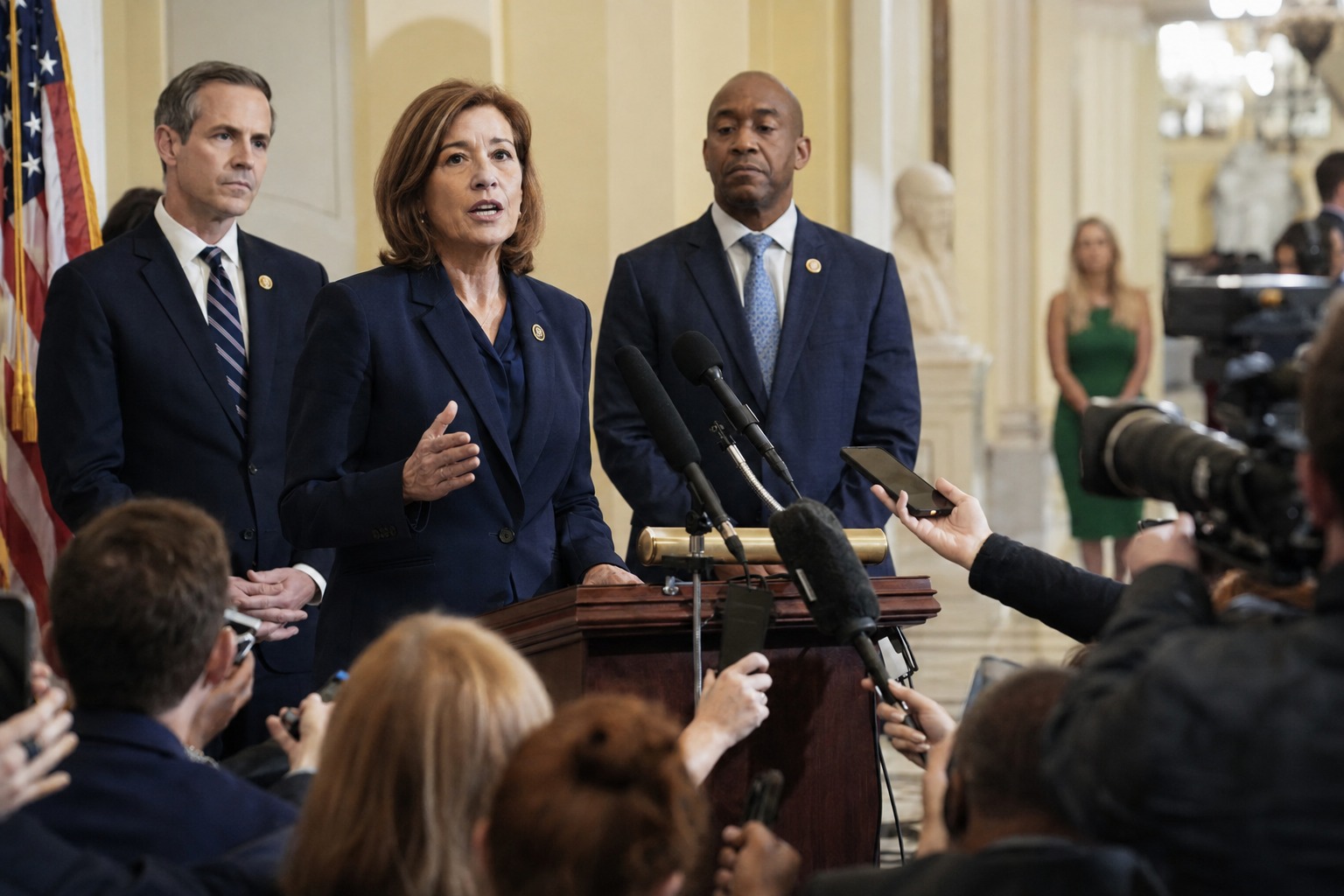
A newly introduced bill in Congress is taking direct aim at one of the presidency’s most powerful and least restricted tools: the pardon. The proposed measure would make it a federal crime for any president to accept money, or anything else of value, from a person they grant a pardon or clemency to.
The idea behind the bill is straightforward. A president can already erase federal convictions with the stroke of a pen. This proposal says that power should never come with a price tag attached. If a pardoned individual were to funnel money or benefits to the president who freed them, that exchange would become explicitly illegal under the new language.
A Long-Standing Gap in the Law
The pardon power is one of the oldest and broadest authorities granted to the president. It is written directly into the Constitution, which gives the president the ability to grant reprieves and pardons for federal offenses. For more than two centuries, that authority has been treated as nearly absolute, with very few formal limits placed on how and when it can be used.
Supporters of the new bill argue that this broad power has never been paired with a clear rule preventing a president from personally profiting off the people they release. In their view, that silence in the law creates an opening for abuse. The measure is designed to close what its backers describe as a loophole, ensuring that mercy from the highest office cannot quietly become a transaction.
What the Measure Would Do
At its core, the bill would criminalize the acceptance of payments or valuable benefits by a president from anyone they have pardoned or granted clemency. That would cover money changing hands before a pardon is issued as well as after, closing the door on arrangements that could be structured to look like ordinary business or personal dealings.
The legislation frames the issue as one of basic accountability. The pardon is meant to be an act of justice or mercy, not a favor to be bought. By attaching legal consequences to any financial link between a president and the people they free, the bill aims to make the motive behind a pardon harder to corrupt.
The Case Supporters Are Making
Backers of the measure present it as a common-sense, anti-corruption guardrail rather than a partisan attack. They point out that most Americans would be surprised to learn that no clear federal law currently spells out this prohibition. To supporters, the principle is simple: no one should be able to pay their way out of a federal conviction, and no president should be able to cash in on the act of forgiveness.
They also argue that a bright-line rule would protect the office itself. A clear ban, they say, removes any ambiguity and shields future presidents from even the appearance of a pay-for-pardon arrangement.
The Questions Critics Raise
Skeptics raise questions of their own. Some point out that the pardon power is rooted in the Constitution and ask whether Congress has the authority to add new limits to it through ordinary legislation. That constitutional debate could become a central sticking point if the bill advances.
Others focus on enforcement. Proving that a payment was tied to a pardon, rather than to some unrelated transaction, could be difficult. Critics wonder how prosecutors would ever establish a quiet, behind-the-scenes deal, and whether the law would end up being more symbolic than practical.
What This Means for Americans
For everyday Americans, the bill touches on a basic question of trust in government: should the power to forgive ever be allowed to mix with money? Whether or not this particular measure becomes law, it reopens a debate about how much oversight should apply to one of the presidency’s most personal powers. For now, it remains a newly introduced measure with a long road ahead, and most bills never reach a vote.
Stay informed on the stories that matter most. Follow Palmedia News on Facebook and bookmark palmedianews.com for breaking news and analysis.